
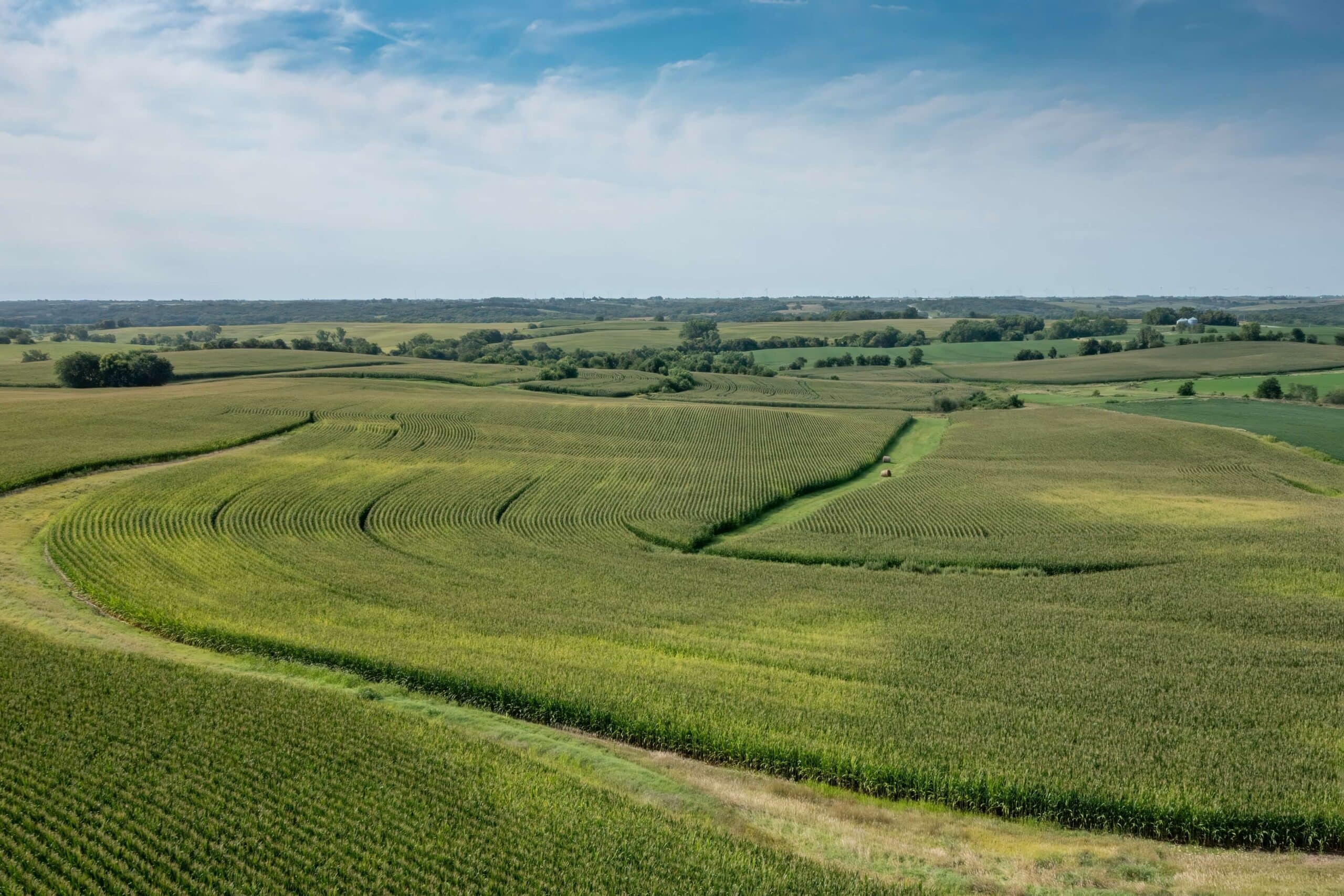
Understanding the Factors Affecting Land Value Before You Sell
Land value is a calculation based on utility, scarcity, and demand. A 40-acre parcel can sell for $4,000 per acre or $15,000 per acre, depending entirely on what it can be used for and who is competing to buy it.
Value is subjective to the user. A farmer calculates value based on yield per acre. A developer calculates value based on the number of buildable lots. A hunter looks for timber density and bedding areas. Understanding the specific mechanics behind these price drivers helps landowners avoid the common mistake of overpricing their property based on emotion rather than data. This guide details the seven primary factors affecting land value and how they influence the final sale price.
1. Location and Access Factors
Location is the single most significant driver of land value, but it is defined by access rather than scenery. Land without a legal, physical way to reach it is heavily discounted in the market.
Road Frontage vs. Deeded Access
Direct entry from a public road (“road frontage”) creates the highest value because the owner controls the entry point. This eliminates disputes and allows for easier utility connections. In contrast, “deeded access” relies on an easement across a neighbor’s property. While this provides legal ingress and egress, it often lowers the value because it limits privacy, restricts road maintenance options, and can complicate future development.
The “Path of Progress”
Proximity to growing infrastructure is the second location variable. Real estate professionals use the term “path of progress” to describe land located in the direction a city is expanding. A cornfield located three miles from a growing suburb often trades at a premium over a similar field ten miles out, simply because speculators are pricing in future residential or commercial development potential.
2. Physical Characteristics of the Land
The physical attributes of the dirt determine its specific utility and, therefore, its price.
Topography and Usability
The shape of the land dictates its use. Flat ground generally commands a premium in agriculture because large machinery can operate efficiently. Steep topography drives down value for both farming and building due to high costs of grading, erosion control, and retaining walls. However, in the recreational market, rolling terrain with timber is often preferred over flat ground because it provides better hunting property habitat for wildlife.
Soil Productivity and Perc Tests
For agricultural land, value is directly tied to soil data. In Iowa, this is measured by CSR2 ratings. High-scoring soils (80+) generate more income and justify a higher price per acre. Drainage also affects productivity, and tile drainage systems can add substantial value to farms by improving yield consistency.
For residential buyers, the soil metric is the percolation test. This test determines if the soil drains well enough to support a septic system. If land does not perk and city sewer is unavailable, the property is essentially unbuildable for a home, which drastically reduces market value.
3. Zoning and Legal Restrictions
Zoning regulations determine the “Highest and Best Use” of the property. This is an appraisal concept referring to the most profitable legal use allowed by the county.
A change in zoning classification usually triggers the largest immediate change in land value. Agricultural zoning typically carries the lowest tax burden but restricts development density (often one dwelling per 40 acres). Residential zoning increases value by allowing subdivision, while commercial zoning generally yields the highest price per acre due to the income potential of retail or industrial operations.
| Zoning Classification | Primary Value Driver | Typical Density/Use |
| Agricultural | Soil Productivity (Yield) | Low (e.g., 1 house / 40 acres) |
| Residential | Buildability (Lot Count) | Medium (e.g., 1 house / 1-5 acres) |
| Commercial | Traffic & Visibility | High (Retail, Office, Industrial) |
Easements and Deed Restrictions
Beyond zoning, specific restrictions on the deed can limit value. Conservation easements, for example, prohibit future development to protect wildlife or open space. While this preserves the land, it removes the “development premium” from the price, leaving only the recreational or agricultural value.
4. Utilities and Infrastructure Costs
The presence of utilities is the defining line between “raw land” and “improved land.” Buyers view the cost of bringing utilities to the site as a direct deduction from the land’s value.
The Cost of Connection
“Power at the road” is a standard listing phrase that implies a low cost of connection. However, if electric lines are a mile away, the cost to extend service can range from $15,000 to $30,000 per mile. Similarly, water access is a major variable. A connection to city water or a rural water district adds stability to the value. Relying on a well introduces risk; drilling costs average $30 to $60 per foot, and there is no guarantee of hitting a potable water source.
5. Environmental Factors and Risks
Environmental constraints are often non-negotiable deal killers that prevent financing or development.
Flood Zones and Wetlands
Land located within a FEMA-designated 100-year floodplain carries significantly higher ownership costs due to mandatory flood insurance requirements. Building restrictions apply, and many lenders will not finance construction in flood zones.
Federally designated wetlands (mapped by the US Fish and Wildlife Service) cannot be drained or filled. If a 40-acre tract contains 15 acres of wetlands, the buyer effectively only pays for 25 usable acres, lowering the overall price per acre.
Soil Contamination
Old fuel tanks, agricultural chemicals, or industrial use can leave soil contamination that requires environmental remediation before the property can be sold or developed. Testing and cleanup costs can exceed the value of the land.
6. Economic Market Conditions
External economic forces shape the buyer pool and pricing dynamics.
Interest Rates
Raw land loans typically require higher down payments (20-50%) and carry higher interest rates than residential mortgages. A high-interest environment reduces the number of eligible buyers and puts downward pressure on prices.
Commodity Prices
Commodity prices act as a lever for farmland values. When corn and soybean prices are high, farm income rises, and operators have capital to expand. This increased demand drives up the price per acre for tillable land.
Supply and Scarcity
Land is finite. They are not making more of it. Building structures depreciate over time, but land does not wear out. This makes it a store of value that tends to appreciate over decades, particularly in areas with development pressure or strong agricultural economies.
7. Why Accurate Valuation Matters
Pricing land correctly requires more than looking at the average price per acre in the county. It requires a granular analysis of soil maps, flood data, zoning ordinances, and access rights.
A general real estate agent may not account for the $20,000 cost of running power or the premium associated with a high CSR2 soil rating. Professional land appraisers use market data and physical characteristics to determine accurate values.
High Point Land Company uses a data-driven approach to valuation. By analyzing soil maps, flood data, zoning ordinances, and access rights, we determine market value based on facts rather than guesses. This ensures property owners receive fair market value for their specific asset.
Accurate pricing means faster sales at the right price. Overpricing keeps land for sale on the market for months with no offers. Underpricing leaves money on the table.
Sources
- Iowa CSR2 Soil Ratings & Productivity: Iowa State University Extension – Understanding Iowa Corn Suitability Ratings (CSR2)
- Wetlands Mapping & Restrictions: U.S. Fish & Wildlife Service – National Wetlands Inventory Mapper
- FEMA Flood Zones & Insurance: FEMA Flood Map Service Center – Definitions and Portal
- Agricultural Land Values & Economic Drivers: USDA Economic Research Service – Farmland Value
- Septic System & Perc Testing: EPA – Septic Systems for Homeowners